

If you’re wondering where to find used cars for sale in Norfolk, your best options include established local dealerships, online inventory sites, franchise dealers, and private sellers. The right place depends on your budget, financing needs, and how much support you want during the purchase. For shoppers who prefer to compare vehicles, ask questions, explore financing, and test-drive cars in one place, 518 Auto Sales gives Norfolk drivers a straightforward way to shop for a pre-owned vehicle without handling every part of the process alone.
Here’s what matters: finding the car is only the beginning. You also need to know whether the price makes sense, whether the vehicle fits your daily needs, how many miles it has, what condition it is in, and what the final cost will be after taxes and fees. Shopping through an established dealership can simplify those steps, while buying from a private seller may require more research and coordination on your part.
Key Takeaways
-
Compare local dealerships, online listings, franchise dealers, and private sellers before deciding.
-
Set your actual budget before you start looking at vehicles.
-
Review mileage, condition, history, ownership costs, and financing—not just the advertised price.
-
Always test-drive a used vehicle before making a final decision.
-
Ask for the total out-the-door price so you know what you will actually pay.
-
Working with an established local dealership can make financing, trade-ins, paperwork, and vehicle comparisons easier.
Make An Inquiry Today
Where to Find Used Cars for Sale in Norfolk
Norfolk has different methods for purchasing used vehicles. Since there is no single method that would work best for every person, it would be beneficial to know the benefits of each method.
Local Independent Used Car Dealerships
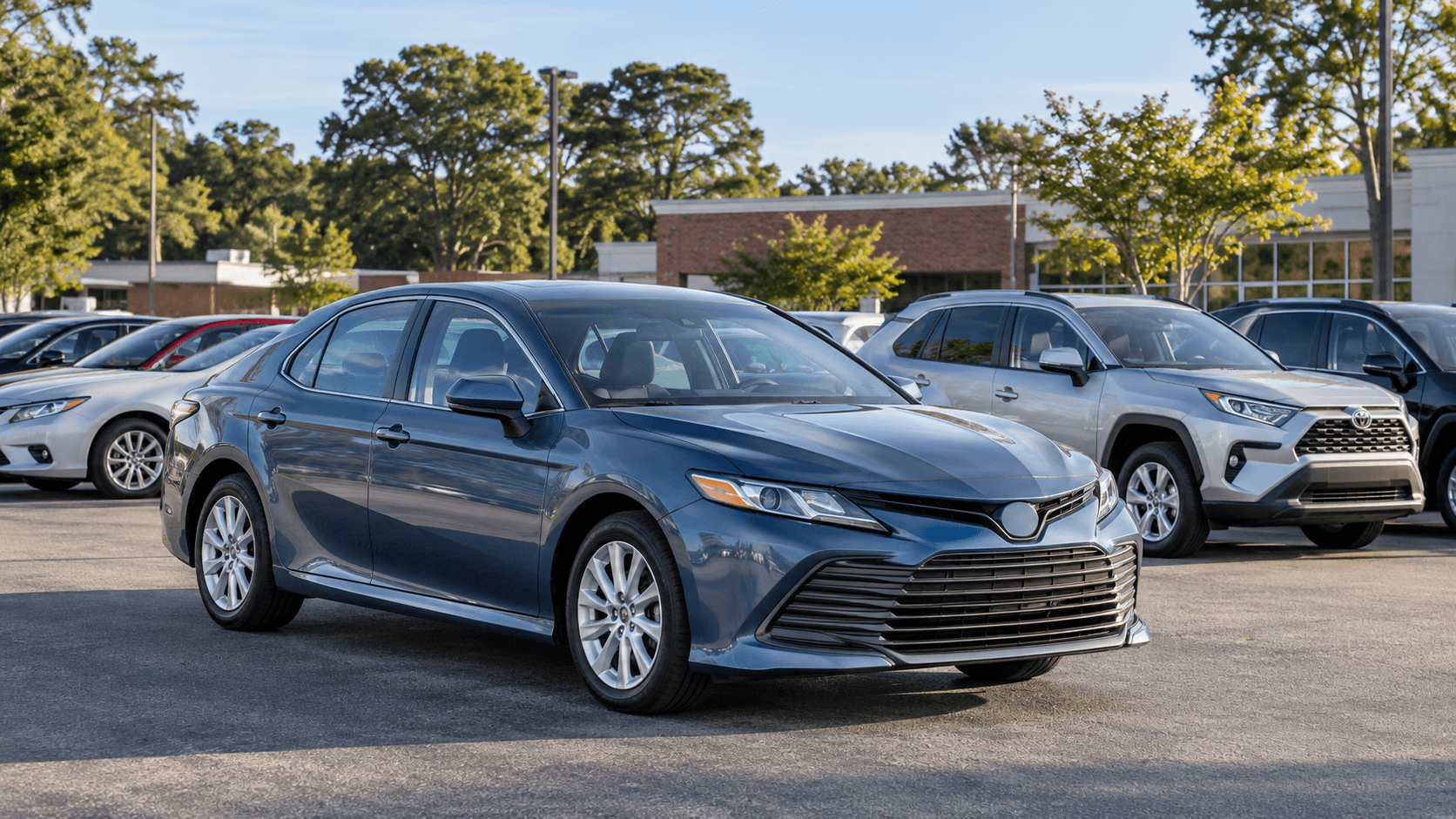
Local dealers are usually the easiest place to begin looking at cars since they will have many different kinds of vehicles available for viewing at the same time.
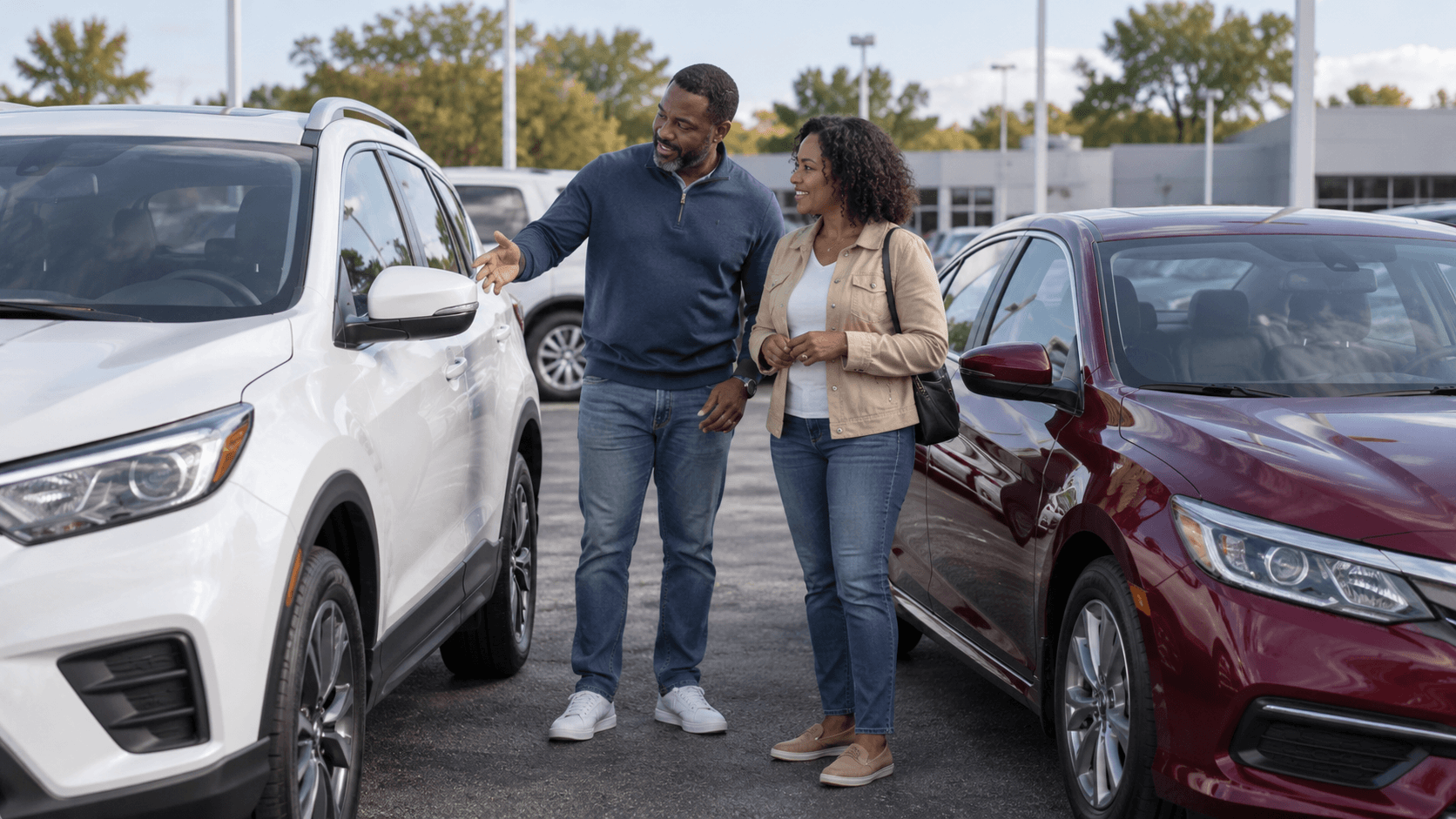
With an auto show, you have the opportunity to view multiple types of vehicles (sedan, SUV, pickup, etc.) at one time rather than having to schedule separate appointments with each private seller. While attending the show, you can inquire about financing, trade-ins, vehicle history reports, and the overall purchase process.
If you are still deciding on the type of vehicle (car, truck, etc.) and model, then independent dealerships may help. You might have begun searching for a small car, but now you find that an SUV would work well for your family. With many options available in close proximity, it will be simpler to compare each option.
At 518 auto sales, you will be able to talk about what you are looking for in your next car instead of having to base your whole decision off of one online listing.
Online Used Car Marketplaces
Online automotive marketplaces are useful during the research stage.
You can usually filter listings by:
-
Price
-
Make and model
-
Mileage
-
Model year
-
Body style
-
Transmission
-
Distance from Norfolk
-
Vehicle features
These filters can quickly show you what your budget realistically buys.
If your maximum budget is $18,000, filtering car ads prior to going to dealership locations will save you from spending a whole day viewing cars that are significantly higher than what you want to pay.
The ability to identify pricing trends is another benefit of conducting your own online research. When you see cars that are virtually identical to each other in terms of make, model, year, and mileage, continually offered for sale at the exact same cost, you will be able to evaluate each vehicle based on a much larger sampling of data.
Just remember that a listing cannot replace seeing and driving the vehicle.
Franchise Dealerships
New-car dealerships frequently sell used vehicles as well.
Some dealers have certified pre-owned vehicles that are backed by the manufacturer that they represent. The CPO vehicles may require more extensive inspections and/or warranties, but generally will be more expensive than similar non-CPO vehicles.
If you have made up your mind about what brand you want, then franchise dealers may be right for you.
Nonetheless, if you would like to look at various manufacturers of vehicles, then you will most likely benefit from shopping for your next vehicle at an independent used dealership.
Private Sellers
Private-party listings are another place to look.
An advantageous price may be available for purchase, especially if the current owner wishes to make a quick sale. However, with this advantage comes a greater amount of responsibility placed upon the buyer.
You might have to find your own way to pay for it, check if there's any other owner of the vehicle (title), see how well it has been taken care of (maintenance), get someone else to look over the car (independent inspection), fill out the forms required to register the car with the state, and make sure that you've done everything right in terms of paperwork.
A private sale does not necessarily mean it will be a poor decision. However, you need to do more research.
When you don't know much about purchasing vehicles, then buying from a dealership with a little extra cost for the added support could be more convenient for you.
Decide What You Need Before Shopping
First, determine what tasks you want your new car to perform, prior to searching through all listings in Norfolk.
Ask yourself:
-
How many people do I normally carry?
-
How far is my daily commute?
-
Do I need extra cargo space?
-
Do I prefer a sedan, SUV, van, or pickup?
-
What monthly payment can I comfortably handle?
-
How much can I put down?
-
How much can I afford after insurance, fuel, and maintenance?
That last question gets overlooked surprisingly often.
A car can fit within your budget but still cost you money. You should take into account fuel mileage, cost of tires, insurance, repair costs, and regular maintenance.
The way to go about establishing your budget for purchasing items is to determine the highest amount of money you are willing to spend, and then stick to shopping for items that fall below this limit.
Compare More Than the Sticker Price
When you are looking for used cars for sale, you should consider more than just the cost.
Imagine two cars.
The first vehicle is $1000 cheaper than the second; however, it has a lot more miles on the odometer, its tires are worn down, there isn't much records of how often the owner serviced it, and some of the options that come with it are things you don't use. The second vehicle is slightly more expensive than the first, however, it's a better fit for your daily drive to work and seems to be kept up with regular service.
The cheaper car isn’t necessarily the better deal.
Compare factors such as:
Mileage
The use of mileage can give insight into the level of abuse that a car has experienced. However, the use of mileage as a measurement tool is insufficient to indicate the overall condition of the vehicle.
Sometimes buying an older, but higher-mileage, well-maintained vehicle is more economical than purchasing a newer, but neglected, lower-mileage vehicle.
Vehicle Condition
Inspect the tires, interior, exterior panels, lighting, controls, window glass, air conditioning system and other key areas of the vehicle.
Pay attention to warning lights as well.
Vehicle History
Ask if the vehicle history report can be accessed. Check the report for past accidents, issues with the vehicle's title, previous owners, and any documented service records.
History reports are not always accurate; however, they do provide a means for you to find out what questions should be asked.
Features
Focus on features you'll genuinely use.
Heated seats are a nice feature, but if your main concern is driving in the Hampton Roads area, then you will likely find that reliability, fuel efficiency, visibility, safety equipment, and comfort are far more important.
Get the Out-the-Door Price
One of the smartest questions you can ask is simple:
“What is the total out-the-door price?”
The stated price on ads is usually not what you end up paying. There are many other factors such as taxes, registration fees, documentation charges, as well as possible additional items that could increase the cost of your purchase.
Knowing the complete figure also makes it easier to compare dealerships fairly.
The same two automobiles which are being advertised as having almost the same cost can actually result in very different end costs.
Asking for numbers first, will help you make a clear choice without confusion later.
Check Your Financing Options
Unless you are paying cash, financing will be a major part of your purchase.
Start by considering:
-
Your down payment
-
Loan length
-
Interest rate
-
Estimated monthly payment
-
Total amount financed
-
Total borrowing cost
The lower monthly payment is appealing, but as the length of your loan is extended, the total cost of your loan will likely increase.
One of the many benefits of using a dealer is that it simplifies your shopping experience. For example, 518 Auto Sales allows you to shop for cars and finance plans simultaneously so you don't have to worry about coordinating these two aspects on your own.
Don't just think about being accepted. Focus on if the monthly payment is something you can easily afford within your budget.
Always Take a Test Drive
Photos show you the appearance of the car. A test drive will inform you if you would really like to own it.
Take enough time to check:
-
Driving position
-
Seat comfort
-
Steering response
-
Braking
-
Acceleration
-
Visibility
-
Cabin noise
-
Air conditioning
-
Dashboard controls
-
Unusual vibrations or sounds
Instead of just driving around a parking lot, try to drive under normal driving circumstances.
If possible, use a combination of slower speed roads and a faster highway. Since the Norfolk and larger Hampton Roads area contains many stops/starts, major roads, bridges and highways, find a route that you are confident in using on a daily basis.
Don't Skip a Pre-Purchase Inspection When Needed
When buying a used car (especially from a private seller), if you are unsure of how well the engine works, then have a professional technician check the car out first.
An inspection may uncover worn components or repairs you should plan for.
This information does not automatically suggest that you leave. It does provide you with a clearer picture of how to proceed based on the additional knowledge you have gained.
Before buying a car, spend some time checking out the vehicle. This will be far less expensive than finding out about an expensive issue after you have already made your purchase.
Look Beyond Norfolk When It Makes Sense
Norfolk buyers aren't limited to vehicles within city boundaries.
The Hampton Roads area connects Norfolk to several other cities including Virginia Beach, Chesapeake, Portsmouth, Hampton, Newport News, and Suffolk. If you expand your search area, it will provide you with more options of cars to view.
That said, bigger isn't always better.
If there is a vehicle similar to what you want available locally that has better access to the dealer and provides the same support as the one you are willing to drive one hour to purchase, it is possible that the time spent driving will not be worth the money saved.
Start locally, then expand your search when necessary.
Make An Inquiry Today
Watch for Common Used-Car Shopping Mistakes
A few mistakes repeatedly cause buyers trouble.
Firstly, don't go shopping for a car with no budget. You can easily find yourself in love with a car prior to knowing whether or not you will be able to afford the monthly payments.
Second, you should never base your opinion of a vehicle solely on what it looks like in photos. No matter how good the photo angle is, it will never be able to provide any indication of how the car handles.
Third, don't rush simply because someone says another buyer is interested.
Fourth, don't focus exclusively on mileage.
Finally, don't base your vehicle comparisons solely on what you hear in advertisements. Consider the condition, past history, available financing options, projected ownership expenses, and ultimately how much money you will spend.
A good used-car purchase should make sense after the excitement wears off.
Final Thoughts
Knowing where to find used cars for sale in Norfolk comes down to comparing your options carefully and choosing a seller that gives you enough information to make a confident decision. Start with your budget, research realistic prices, check vehicle history and condition, test-drive your top choices, and review the complete purchase cost before signing anything. If you want to compare pre-owned vehicles and get help with financing, trade-ins, and the buying process in one place, contact 518 Auto Sales and start looking for a vehicle that fits your needs and budget.
Make An Inquiry Today
Frequently Asked Questions
Q: Where is the best place to buy a used car in Norfolk?
A: Start with established local used-car dealerships where you can compare several vehicles, test-drive your favorites, discuss financing, and ask about vehicle history before deciding.
Q: Is it cheaper to buy a used car from a private seller?
A: Sometimes. Private sellers may offer lower prices, but buyers typically handle more of the inspection, financing, title verification, and paperwork themselves.
Q: What should I check before buying a used car?
A: Review the mileage, vehicle history, overall condition, tires, major features, maintenance information, financing terms, and total out-the-door cost. Take a test drive as well.
Q: How much mileage is too much for a used car?
A: There isn't one mileage number that automatically makes a car a bad purchase. Maintenance history, age, condition, vehicle type, and how the previous owner used it all matter.
Q: Should I get a used car inspected before buying it?
A: A pre-purchase inspection can be worthwhile, especially when buying privately or whenever you have concerns about the vehicle's mechanical condition. A qualified mechanic can identify issues that may not be obvious during a short test drive.